Water Damage Restoration Pueblo, CO
Frozen pipe, flooded basement or sewage on the floor? The Pueblo restoration team extracts standing water, dries the structure to the IICRC S500 standard and documents every step for your insurance claim.
(888) 532-8620Pueblo water emergency? Tap to call now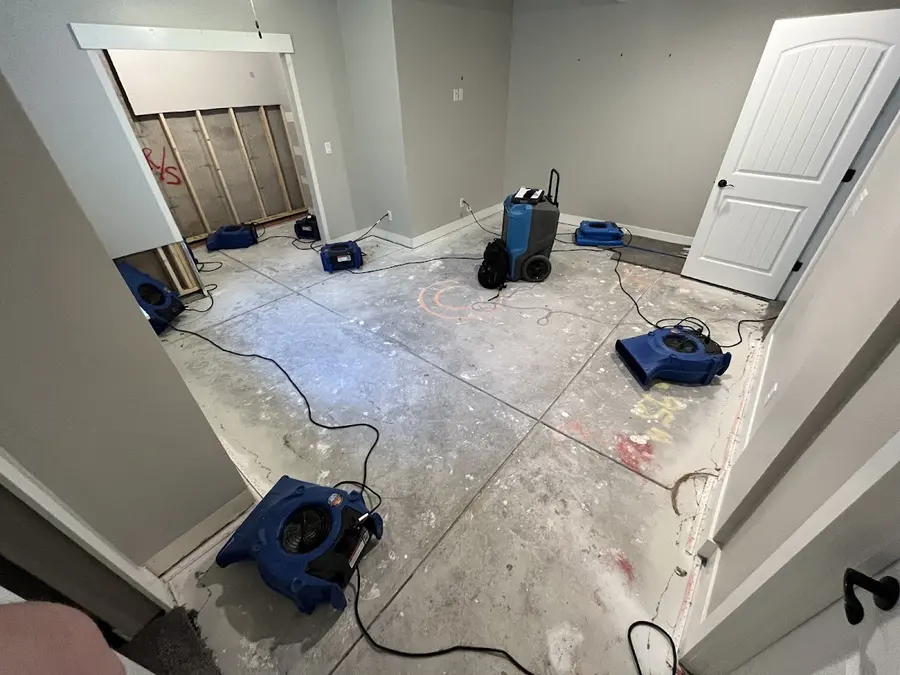
Water Damage Restoration Services in Pueblo, CO
Water and sewage only, from emergency extraction and frozen pipes to swamp cooler leaks and structural drying, across Pueblo and Pueblo County.
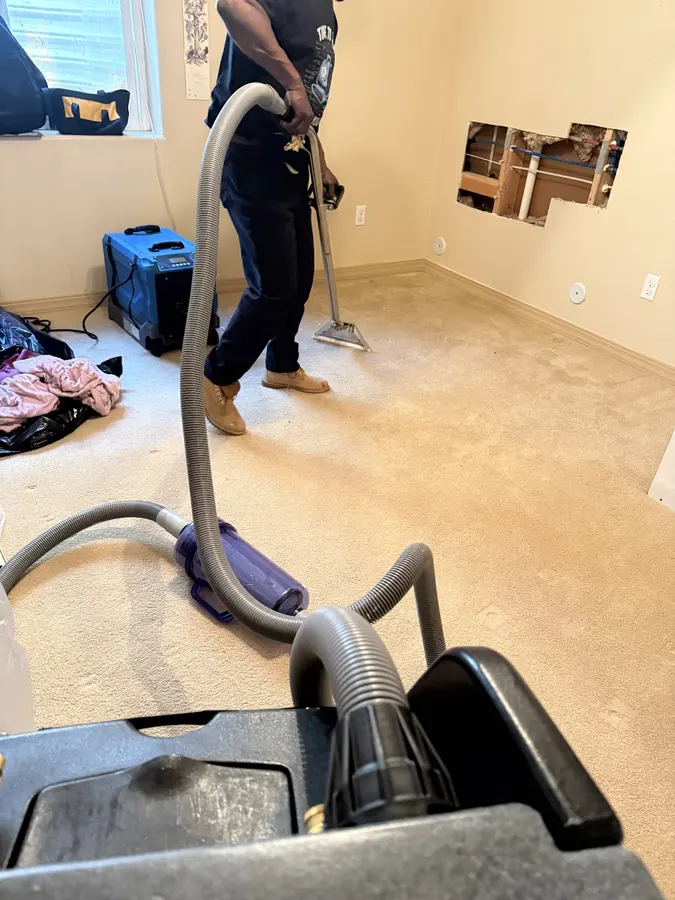 Water Extraction and RemovalTruck-mounted and portable units pull standing water out of floors and carpet before it wicks into drywall.See the service
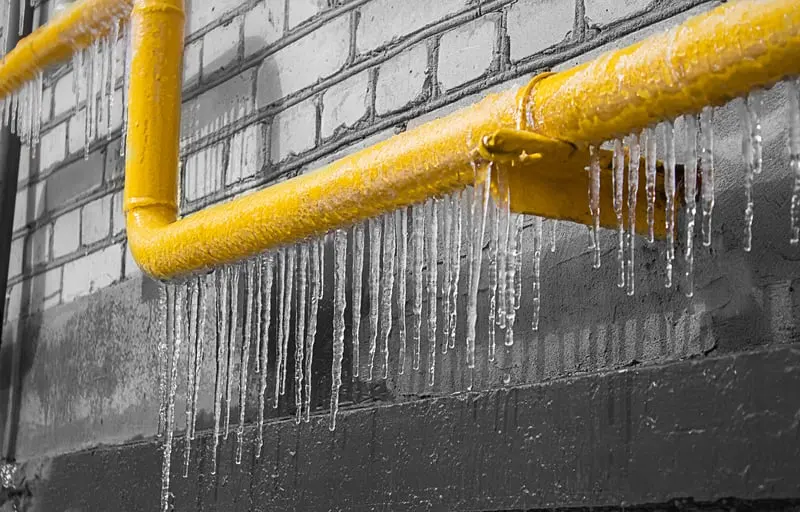 Frozen Pipe Water DamagePipes split by a hard freeze in exterior walls, garages and crawl spaces, extracted and dried after the thaw.See the service
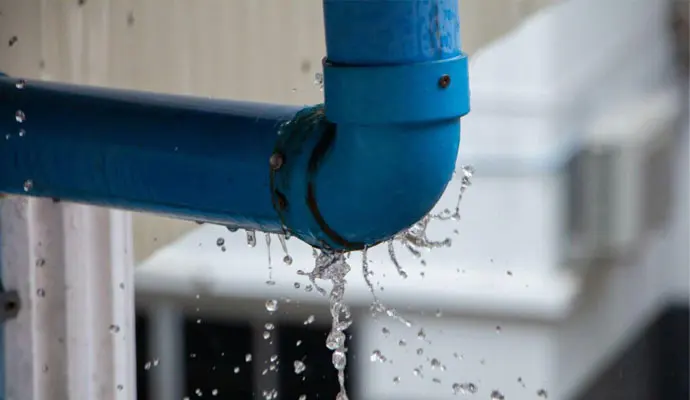 Burst Pipe Water DamageGalvanized, copper and supply hose failures inside walls and ceilings, opened safely and dried to verified readings.See the service
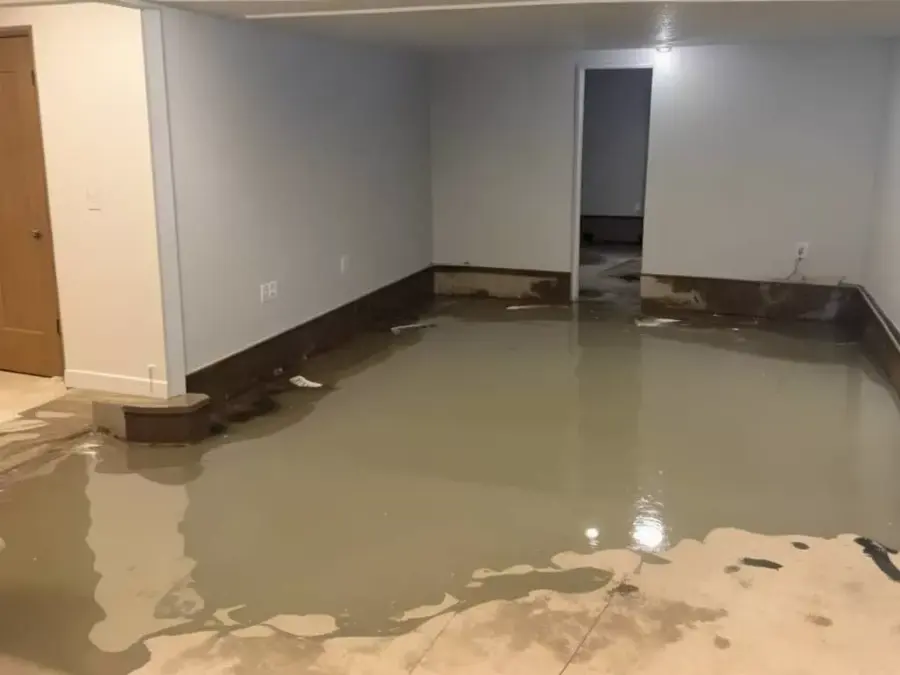 Basement Flooding CleanupSeepage through cracked foundation walls and window wells pumped out, wet drywall pulled and the concrete dried.See the service
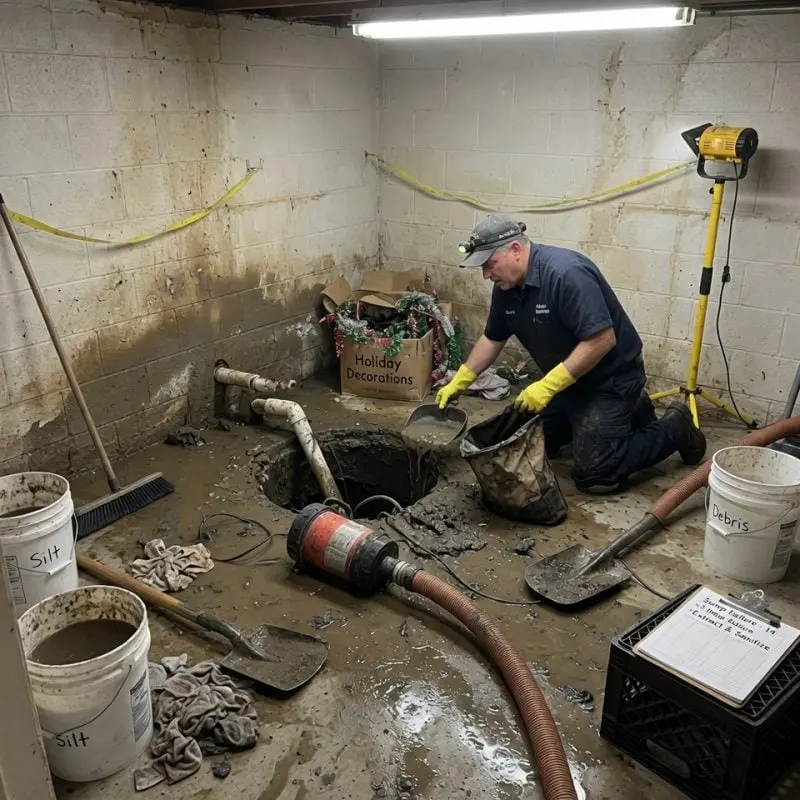 Sewage Backup CleanupFloor drain and service pipe backups handled as Category 3, porous materials removed and surfaces treated.See the service
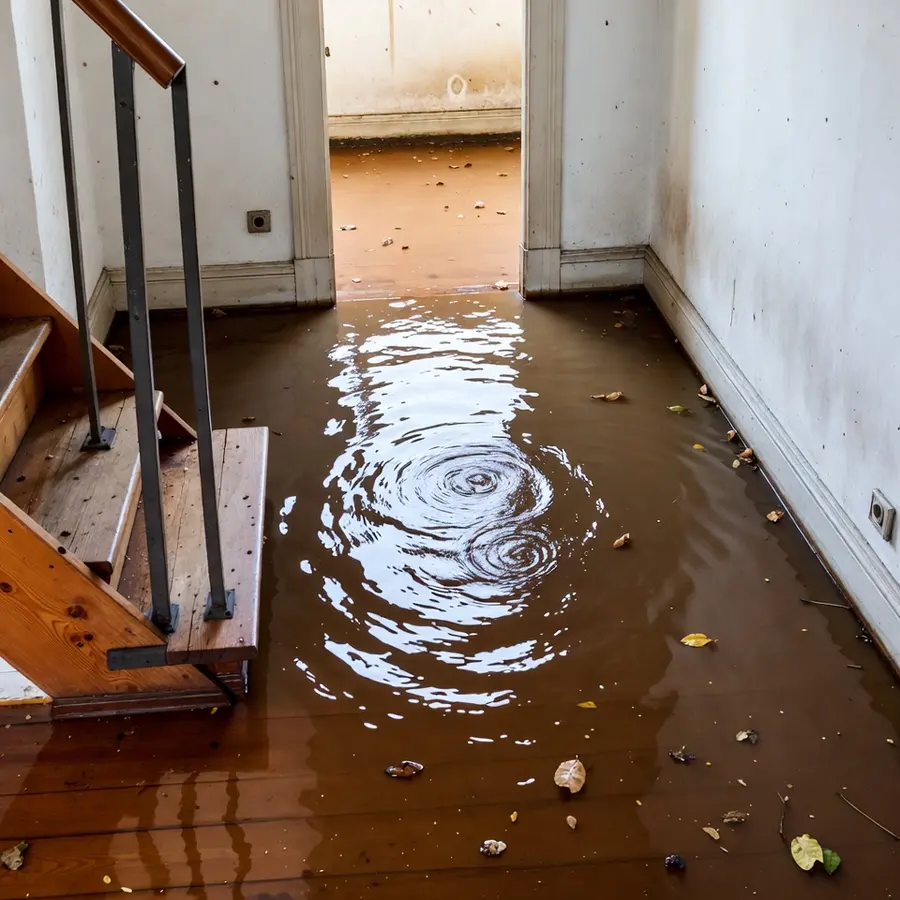 Flash Flood and Storm Water CleanupMuddy monsoon runoff and flash flood water treated as contaminated, cleaned out and dried to the framing.See the service
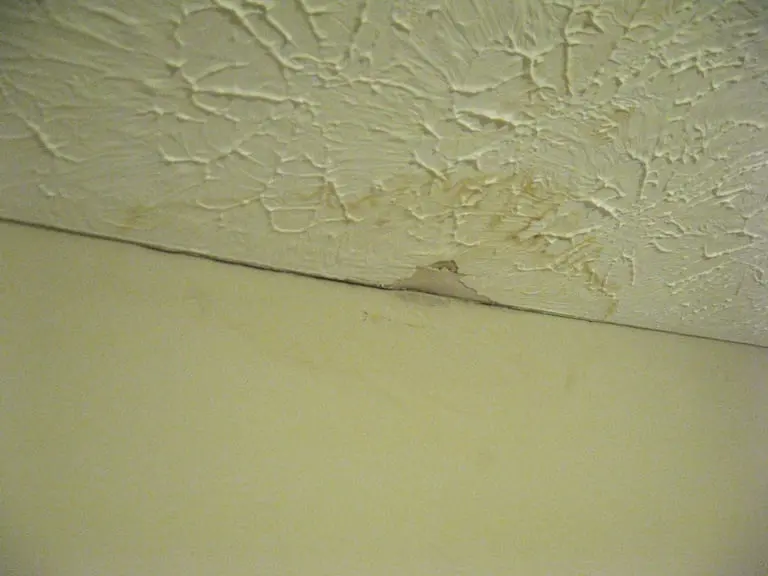 Hail and Roof Leak Water DamageHail-damaged shingles, flashing and vent leaks traced from the attic, wet insulation pulled and ceilings dried.See the service
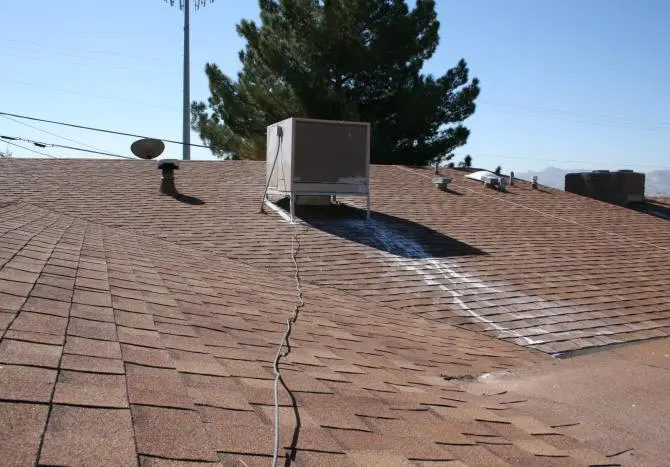 Swamp Cooler Leak Water DamageOverflowing pans, stuck float valves and split supply tubes on evaporative coolers, with wet ceilings dried.See the service
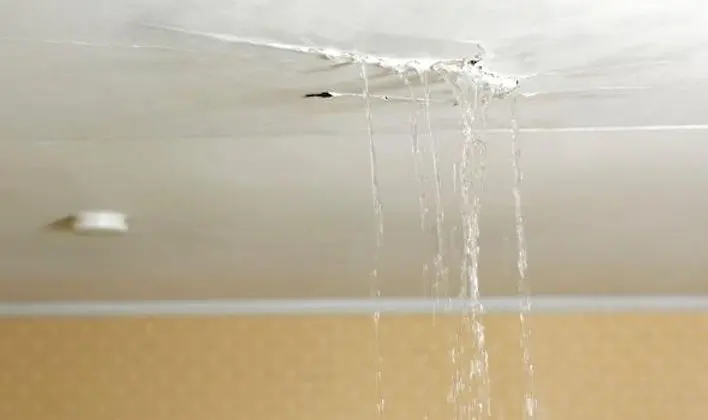 Ceiling Leak Water DamageUpstairs bath, toilet and drain leaks traced, sagging drywall opened safely and the joist bays dried.See the service
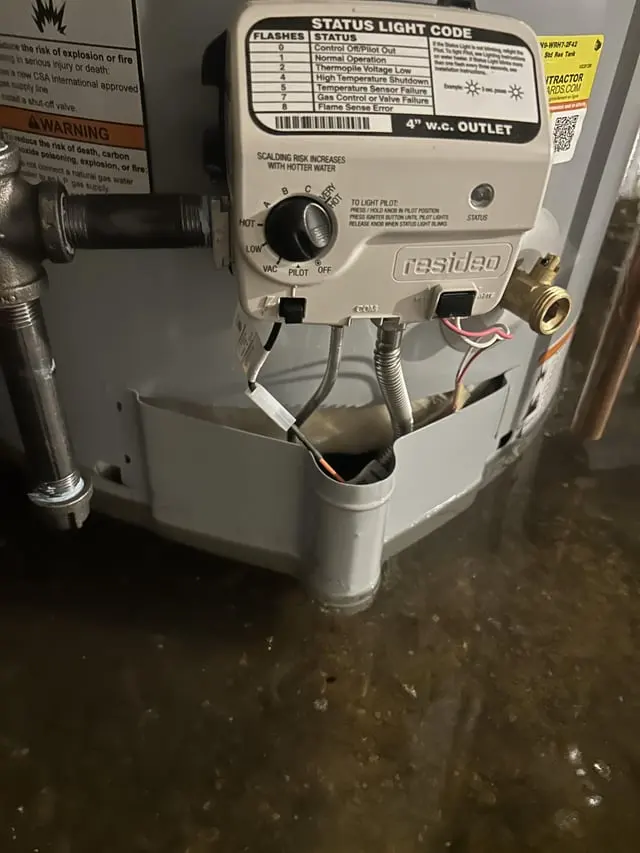 Water Heater Leak CleanupTank failures in basements, garages and closets extracted before the water reaches drywall and flooring.See the service
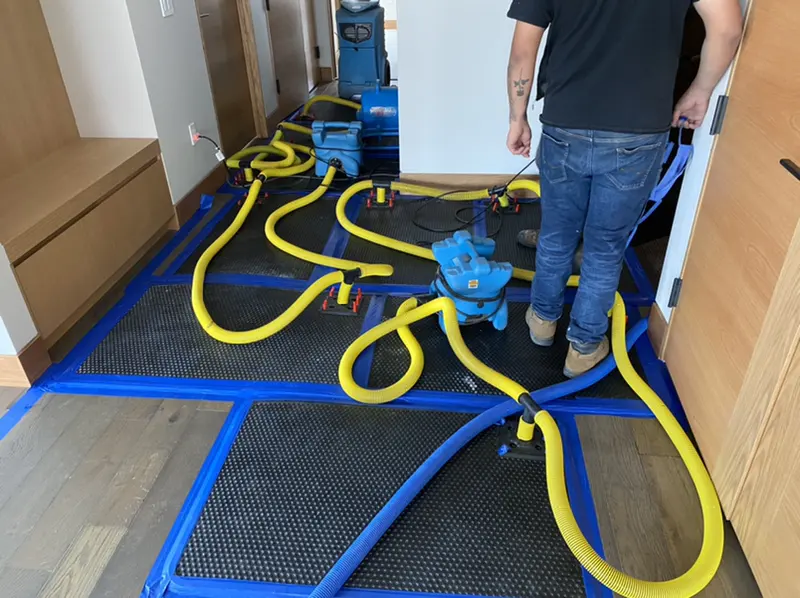 Structural Drying and DehumidificationAir movers and LGR dehumidifiers dry framing, subfloor and basement concrete to within 2 to 4 points of dry.See the service
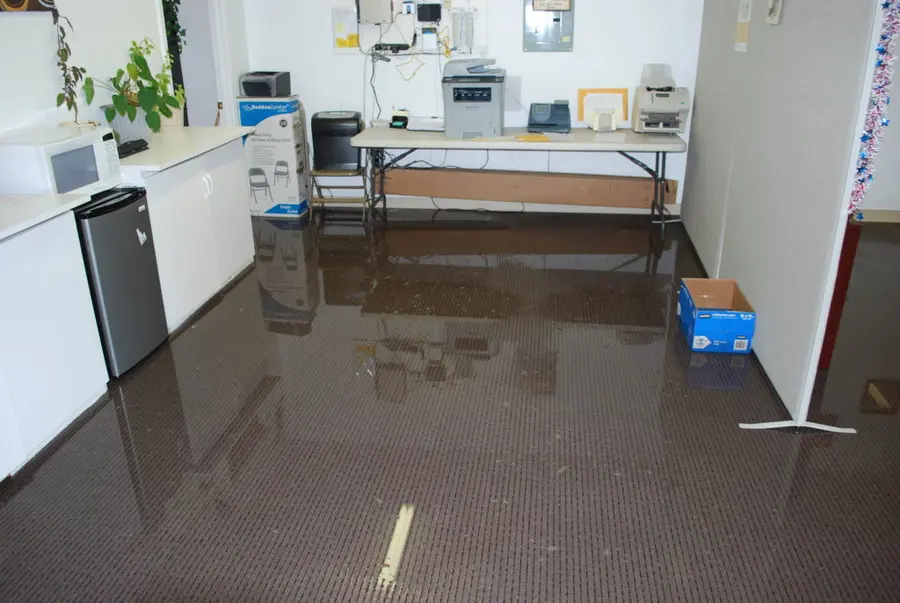 Commercial Water DamageShops, offices, schools, clinics and apartment buildings dried in phases so doors can stay open.See the service
How a water loss is handled in Pueblo
The order never changes: stop the source, pull the water, map the moisture, dry to the readings and log every day.
Rapid local response
The response team dispatches around the clock, and active water in a Pueblo home is treated as urgent, holidays included.
IICRC S500 drying standard
Crews dry with moisture meters and thermal imaging and confirm the readings before a job is called done.
Claim-ready documentation
Each loss gets a moisture map, daily psychrometric logs and timestamped photos taken before demolition.
Local water know-how
Expansive clay, monsoon cloudbursts, Arctic cold snaps and rooftop swamp coolers shape where water hides in a Pueblo house.
What to do while the water is still moving
- Stop the source. Close the main shutoff, often where the water service enters the basement. For a swamp cooler leak, close the cooler's supply valve.
- Make it safe. Switch off breakers for wet rooms only if the panel sits in a dry spot, and stay off sagging ceilings.
- Treat sewage as unsafe. Keep children and pets away from anything that came up through a floor drain or toilet. It is Category 3 water.
- Move what matters. Lift rugs, boxes, electronics and photos off wet floors, and slip foil under furniture legs.
- Photograph before cleanup. Photograph every wet room before anything gets moved or thrown out. The claim file starts there.
Water damage dried to the IICRC S500 standard
IICRC S500 is the industry drying standard. The tech who does the walkthrough maps moisture first, the drying team sizes equipment to the class of loss, and readings decide when the job is done.
Inspect and map
The walkthrough finds the source, sets the water category and class, and maps moisture with meters and thermal imaging.
Extract
The extraction crew pulls standing water with truck-mounted units, because removing water beats evaporating it.
Dry the structure
Air movers and LGR dehumidifiers match each room's evaporation load, with desiccants for dense concrete.
Verify and document
Daily logs and readings continue until materials read within 2 to 4 points of a dry reference.
All water damage categories covered in Pueblo, CO
The category of the water decides what can be dried in place and what has to come out.
Clean water
Category 1 comes from a supply source: a burst pipe, a water heater or a swamp cooler. Caught early, most materials dry in place.
Burst pipe water damageGray water
Category 2 carries some contamination, like washer discharge or an overflowing tub. The pad usually comes out.
Water extraction and removalBlack water
Category 3 is grossly contaminated: sewage backups and flash flood runoff. Porous materials it touched get removed, not dried.
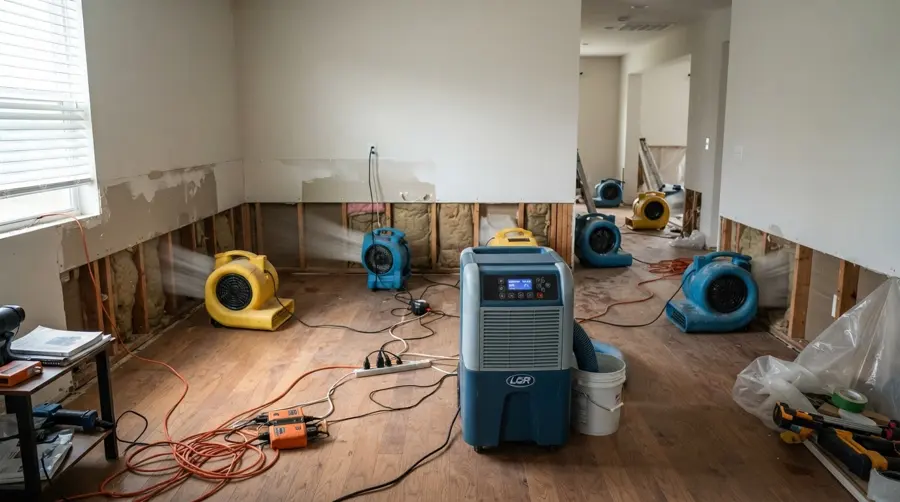
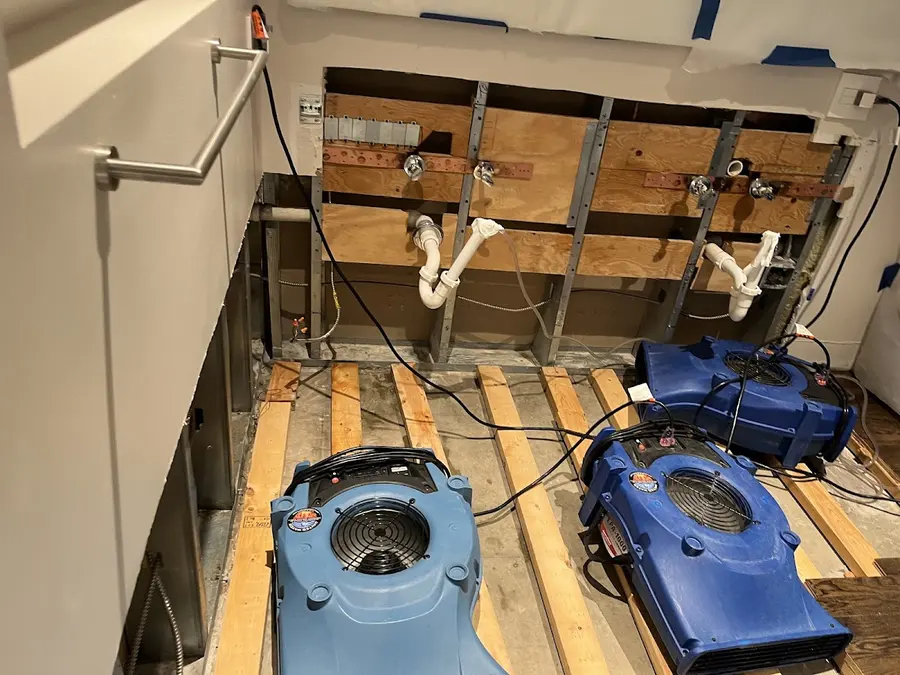
Sewage backup cleanupWhat a water damage dry-out looks like in Pueblo
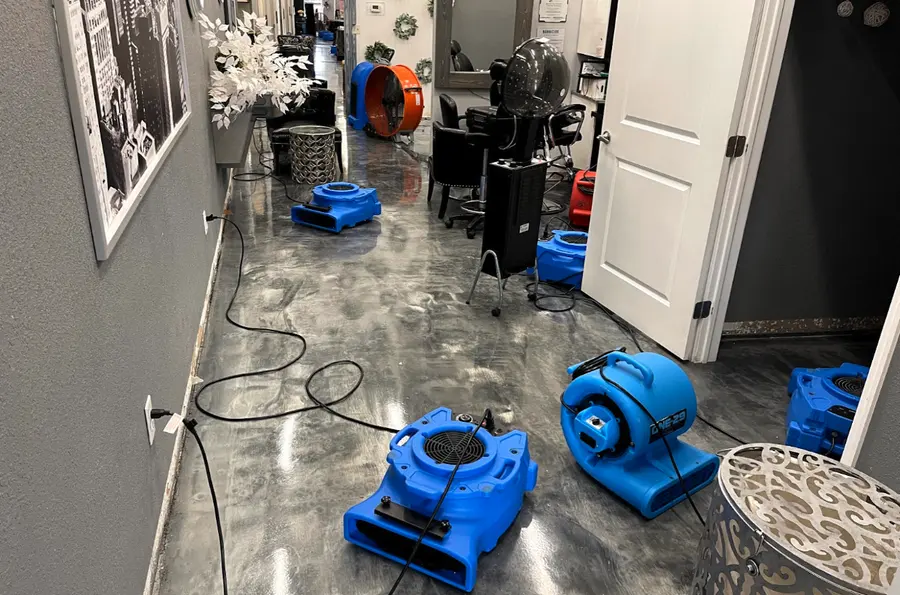
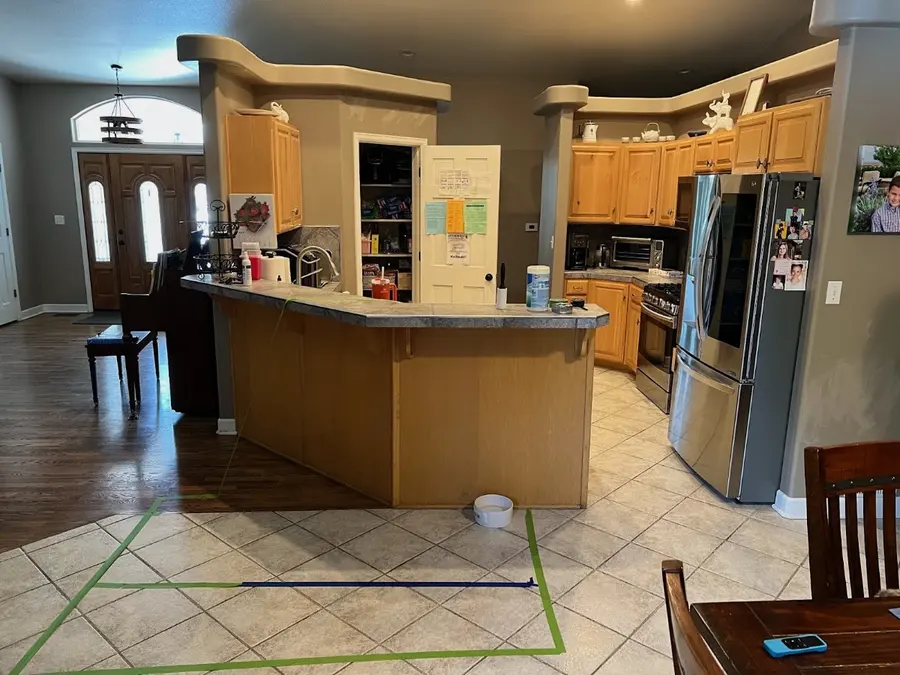
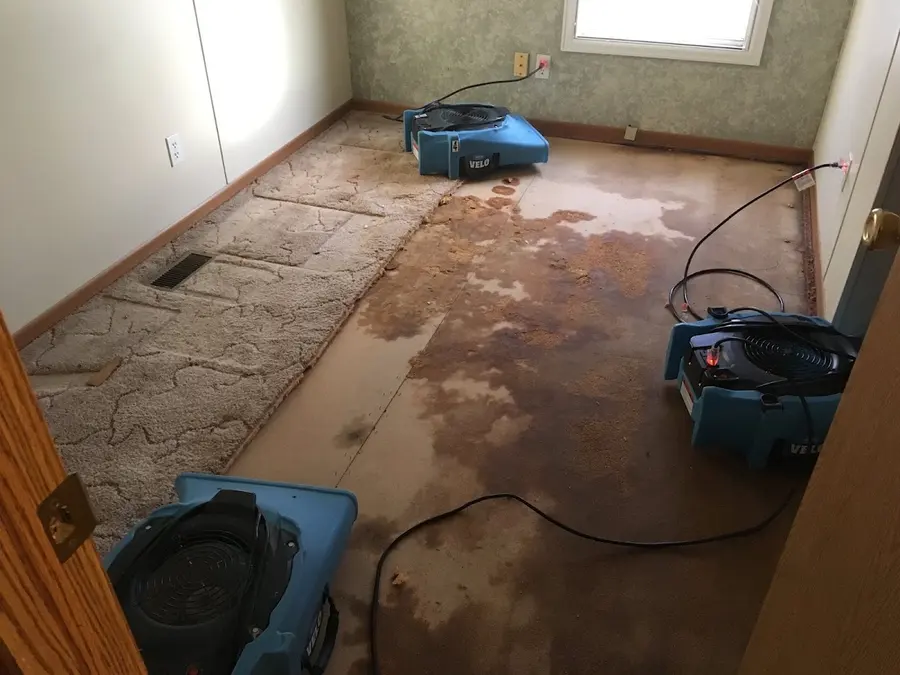
Air movers, dehumidifiers and drying mats set up the way a structural dry-out runs.
What does water damage restoration cost in Pueblo, CO?
Most water damage restoration in Pueblo, CO runs $800 to $9,500, and a sewage or whole-level loss can run $10,000 or more. The water category, square footage, materials and how fast drying started set the number.
Small leak, one room
- One room or a small supply leak
- Extraction and drying in place
- Clean, Category 1 water
Basement or several rooms
- A flooded basement or several rooms
- Wet drywall and pad removed
- Clean or gray water
Sewage or a whole level
- Sewage backup or flash flood water
- Containment and removal of porous materials
- Category 3 water
Want a number for your own loss? The water damage cost calculator gives a Pueblo range in a minute. Coverage depends on your policy, so check with your own insurer.
Documentation for your insurance claim
A water claim is decided on the file. The restoration team builds that file from the first visit, so an adjuster can see what got wet, how wet it was and why each item came out.
What the claim file holds
- A moisture map of every wet room, marked before equipment goes down
- Daily psychrometric logs and moisture readings until the structure is dry
- Timestamped photos taken before any demolition
- The water category and class of loss, recorded at the start
- A line-item scope in the Xactimate style adjusters use
Sudden leaks versus floods
Most homeowner policies treat a sudden, accidental leak, such as a burst pipe or a failed water heater, differently from flood water from outside. Sewer backup often needs its own endorsement.
Coverage depends on your policy, so check with your own insurer before work beyond emergency mitigation begins.
From the Northside to Lake Minnequa and out to Pueblo West
Pueblo water damage pros respond across the city and nearby Pueblo County communities, day or night.
Pueblo ZIP codes covered
Elsewhere in Pueblo County? Call to confirm coverage for your street.
See the full Pueblo service areaNorthside and Mesa Junction
Downtown and Union Avenue
South side
East and north
West side
Nearby communities
One phone number for Pueblo water damage pros
The response team covers Pueblo and nearby Pueblo County around the clock, from Northside basements and Mesa Junction plaster to Belmont garages and Pueblo West.
Have the source, the wet rooms and your ZIP code ready. The restoration crew that responds starts with the source and a moisture map.
(888) 532-8620Call Pueblo dispatch any hourWhat puts water inside Pueblo homes
Pueblo gets only about 13 inches of precipitation a year, but cold snaps, monsoon cloudbursts, expansive clay and older plumbing each put water inside a house in their own way.
Arctic cold snaps
Days below freezing, like mid-February 2021, split pipes in exterior walls, garages and crawl spaces, which flood when the ice thaws.
Monsoon cloudbursts and hail
July and August storms drop heavy rain in minutes, push muddy runoff toward lower levels and batter roofs and rooftop coolers with hail.
Expansive clay
Clay soils swell when wet and shrink when dry, cracking basement walls and slabs and opening paths for storm water.
Older plumbing
Half of Pueblo homes date from the mid-1960s or earlier, and galvanized supply pipe and cast iron drains in older homes rust and fail.
Owner-owned sewer pipes
Under the city code, the property owner owns the sewer service pipe and tap, so roots and cracks in an old clay or cast iron pipe become the owner's backup.
Swamp coolers
Evaporative coolers hold water all summer. A stuck float valve, a rusted pan or a split supply tube can leak into the ceiling below.
June 3, 1921. Heavy rain over the city and over Fountain Creek sent the Arkansas River through downtown, which was under water within hours. The river channel was later moved away from downtown, and the Historic Arkansas Riverwalk follows the old course.
Water damage questions in Pueblo
Water in the house right now?
Leave the questions for later. Pueblo dispatch is on call day and night.
(888) 532-8620 Call Pueblo dispatch nowHow fast can someone respond in Pueblo?
The response team dispatches 24/7 across Pueblo and nearby Pueblo County, and active water is treated as urgent. Naming the source, the wet rooms and your ZIP code on the first call helps the crew bring the right equipment.
What should I do before the crew arrives?
Shut off the main if you can reach it safely, keep away from outlets and sagging ceilings, lift what you can off wet floors and photograph every wet room. Leave sewage alone.
My pipes froze. What now?
Shut off the main before the pipe thaws, because a split pipe floods the moment the ice melts. Open the faucet, warm the area gently and call. The frozen pipe water damage page covers what happens next.
Water is coming through my basement wall. Is that a plumbing leak?
Often it is not. Expansive clay and storm runoff push water through cracks, joints and window wells, and moisture readings tell seepage from a supply leak. See basement flooding cleanup.
Why is a sewage backup handled differently?
Sewage is Category 3 water the moment it happens. Crews work in protective gear behind containment, remove the porous materials it touched and treat surfaces with an EPA-registered antimicrobial. More on sewage backup cleanup.
My swamp cooler leaked into the ceiling. Can the ceiling be saved?
Often, if drying starts fast. The drying team checks the ceiling and insulation with meters and thermal imaging, opens only what reads wet and dries the cavity. Sagging drywall comes down safely first.
Does homeowners insurance cover water damage in Pueblo?
A sudden, accidental leak is often covered, while flood water from outside and sewer backups are treated differently. Coverage depends on your policy, so check with your own insurer.
What is the IICRC S500 standard?
IICRC S500 is the industry standard for water damage restoration. It sets how a loss is categorized, how much drying equipment a room needs and when a structure counts as dry.
How long does drying take in Pueblo?
A contained Class 1 loss usually dries in three to five days, and basement concrete, plaster and hardwood take longer. The drying time estimator gives a typical window.
How is the cost figured?
Cost follows the water category, the square footage, the materials that got wet and how fast drying started. Most losses fall between $800 and $9,500, and the cost calculator gives a Pueblo range.
Water spreading in a Pueblo home? Start the dry-out now.
Water that sits keeps spreading. One call and the Pueblo restoration team extracts, dries and documents, day or night.
(888) 532-8620Start Pueblo water extraction now