Flash Flood and Storm Water Cleanup in Pueblo, CO
When a monsoon cloudburst sends muddy runoff into a basement, a garage or a ground floor, the cleanup crew pulls the water and silt, removes what it soaked and dries the structure.
(888) 532-8620Flood water inside? Call now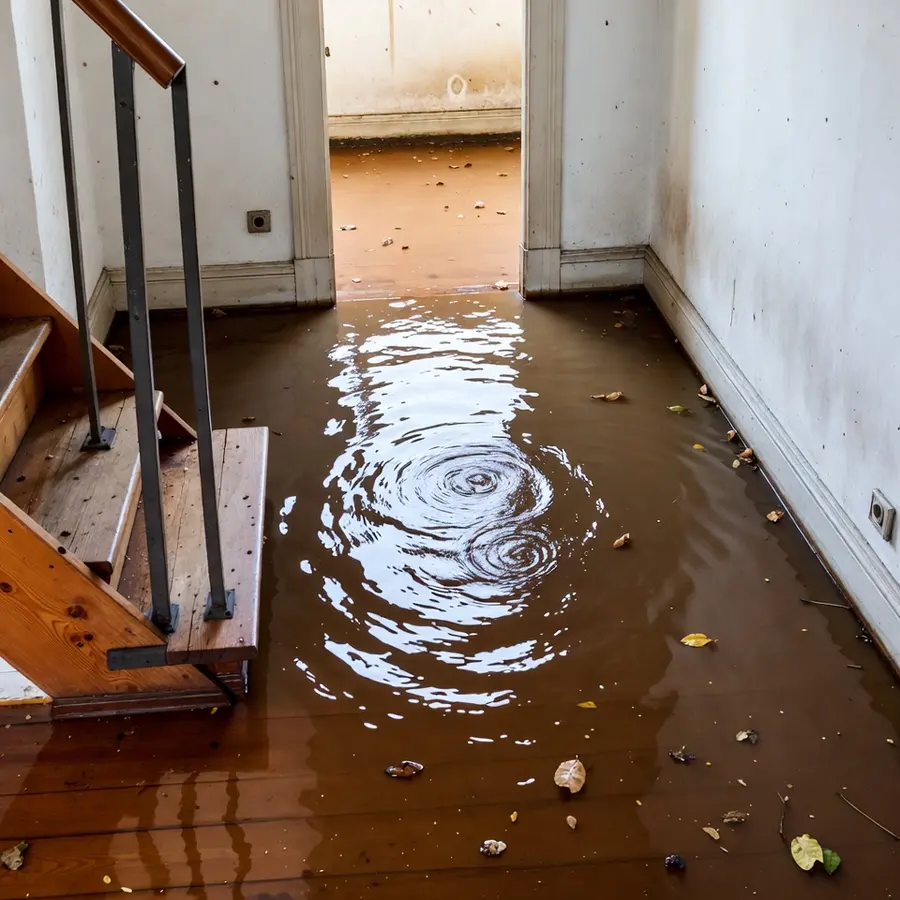
First steps for flash flood and storm water cleanup in Pueblo
- Stay out of moving water. Never walk or drive through flood water. A few inches of moving water can knock a person down.
- Wait for safe power. Keep out of flooded rooms until power to that area is off. Water and outlets do not mix.
- Photograph the high-water mark. Photograph how high the water rose on walls and contents before anything gets moved.
- Set aside what can be saved. Move dry contents to a dry room, and leave soaked soft items for the crew to sort for the claim.
How the restoration team approaches flash flood and storm water cleanup
Much of Pueblo's rain arrives in short summer thunderstorms. A cloudburst can drop heavy rain in minutes, overwhelm gutters and storm drains and send muddy runoff through doors, window wells and garages. Flood water from outside is Category 3, so the crew treats it as contaminated from the start.
What does flash flood and storm water cleanup cost in Pueblo, CO?
Flash flood and storm water cleanup in Pueblo typically runs $2,000 to $15,000, set by how high the water rose, how much mud came in and how much drywall, insulation and flooring has to come out.
Garage or a few inches
- Water and silt removed
- Lower drywall cut out
- Cleaning and antimicrobial
Basement or ground floor
- Flooring and pad removed
- Flood cuts in every wet room
- Containment and drying
Deep water or several levels
- Walls opened high
- Contents removed
- Long cleaning and drying
Ranges are typical, not a quote: the category of water, square footage, material class and how fast drying started move the number most. Run the Pueblo water damage cost calculator for a closer range.
How flash flood and storm water cleanup is handled in Pueblo
Moisture gets mapped before any equipment goes down, so the drying plan matches what is actually wet. Equipment stays until the readings say dry, not until it looks dry.
Pump and extract
Pumps and truck-mounted extraction remove standing water and the loose mud with it.
Muck out
Silt comes out of floors and cavities, and soaked porous materials are cut out and bagged.
Clean and treat
Floors, framing and hard surfaces get cleaned and treated with an EPA-registered antimicrobial.
Dry and document
Air movers and dehumidifiers run until readings say dry, with photos and logs for the claim.
Where flash flooding comes from in Pueblo
Fountain Creek and the Arkansas River meet in Pueblo, and the flood of June 3, 1921 put downtown under water within hours. For most homes today the risk is local: arroyos, low streets and yards that fill during a monsoon cloudburst and send water toward the lowest door or window well.
The National Weather Service office in Pueblo issues the flash flood watches and warnings for Pueblo County, and FloodSmart explains how flood insurance works.
How storm water cleanup works
- Standing water and mud pumped and extracted, starting at the lowest level
- Silt shoveled and cleaned off floors and out of wall cavities
- Drywall, insulation, carpet and pad the runoff touched removed and bagged
- Hard surfaces cleaned and treated with an EPA-registered antimicrobial
- Air movers and dehumidifiers drying the cleaned structure
Storm water is not a pipe leak
Water that comes in from outside is handled, and usually covered, differently from a burst pipe. The claim file records where the water entered, how high it rose and what it touched, with photos taken before demolition.
Seepage through a basement wall is covered on the basement flooding cleanup page, and storm damage to the roof on the hail and roof leak page.
Flash flood and storm water cleanup across Pueblo and Pueblo County
Pueblo Water Damage Restoration covers ZIP 81009, 81010, 81011 and 81012, from the Northside and Mesa Junction to Bessemer, the East Side, Belmont, Sunset Park and the homes around Lake Minnequa.
Nearby coverage reaches Pueblo West, Blende, Salt Creek, Vineland, Avondale and St. Charles Mesa.
See every Pueblo neighborhood and ZIP coveredRelated to flash flood and storm water cleanup in Pueblo
Flash Flood and Storm Water Cleanup questions in Pueblo, CO
Still dealing with it?
Runoff that sits spreads contamination into walls and floors. Call and the cleanup crew starts with the water and the mud.
(888) 532-8620 Flood water inside? Call nowIs flash flood damage covered by homeowners insurance?
Standard homeowner policies usually exclude flood water from outside, and flood coverage is a separate policy. Coverage depends on your policy, so check with your own insurer.
Why is storm water treated as contaminated?
Runoff picks up soil, bacteria, oil and chemicals on its way into the house, so it is Category 3 water and the porous materials it soaked are removed.
How high do the walls get cut?
The crew measures how far water wicked above the flood mark and cuts a little above it, so every wet section of drywall and insulation comes out.
Can furniture and belongings be saved?
Hard items like metal, glass and sealed wood can often be cleaned. Upholstered furniture, mattresses and stuffed items that soaked in flood water usually cannot.
How long does flood cleanup take?
Removal and cleaning take a few days on a large loss, and drying follows. The depth of the water and the materials involved set the timeline.
Where can I check flood warnings for Pueblo?
The National Weather Service office in Pueblo issues flash flood watches and warnings for Pueblo County, and local news carries them during monsoon season.
Flash flood water in a Pueblo home? Get it cleaned out.
Storm water is Category 3 from the start. The cleanup crew removes it, cleans and treats the structure and dries it.
(888) 532-8620Pueblo flood cleanup, any hour