In July 2018 a night of heavy rain and hail along Colorado Highway 115 east of Chandler Creek in Florence left families with two feet of hail and debris piled against their homes by Wednesday morning. Roofs, gutters and walls carry the load of a storm like that, and the water that follows turns hail damage into a roof leak and a wet ceiling.
Key takeaways
- In July 2018, heavy rain and hail along Colorado Highway 115 east of Chandler Creek left two feet of hail and debris piled against homes by Wednesday morning.
- A county commissioner said county crews cleaning the Chandler Creek ditch kept the damage from being more widespread.
- Hail can bruise shingles and crack flashing without a leak showing until the next rain.
- Hail and debris piled against walls send melt toward doors and the base of the wall, so clearing it matters.
- A roofer repairs the roof, while a restoration team removes wet insulation and dries the ceilings.
What the July 2018 storm left behind
Heavy rain and hail hit properties along Colorado Highway 115 east of Chandler Creek in Florence on a Monday night in July 2018. By Wednesday morning, families there still had two feet of hail and debris piled against their homes, according to the Cañon City Daily Record.
Chandler Creek and its ditch lie near Highway 115, and county crews had cleaned out the ditch and the area between the railroad tracks and the highway. A county commissioner said that work kept the damage from being more widespread.
The same month, the Daily Record described monsoon season storms across Fremont County and their effects along the Arkansas River between Cañon City and Florence.
How hail becomes a roof leak
Hail does not need to punch a hole to cause a leak. It bruises shingles, knocks protective granules loose, and cracks or dents the flashing around vents and chimneys.
The damage can sit quietly until the next heavy rain finds it. Water then follows the roof deck into attic insulation and on into the ceiling drywall.
- Shingles: bruises and cracks open the surface, and loose granules wash into the gutters.
- Flashing and vents: dented or cracked metal around pipes and chimneys lets water follow the pipe inside.
- Gutters and downspouts: hail and debris pack them, so roof water runs down the walls and not away.
- Attic insulation: soaks up the first of the water and hides the leak from view.
When hail and debris pile against the walls
Two feet of hail does not disappear quickly. As it melts, the water has to go somewhere, and a pile against a wall sends it toward doors, garage doors, vents and the base of the wall.
The county's work on the Chandler Creek ditch is a reminder that clear drainage paths limit damage. At a house, the same idea means giving melt and rain a way to leave.
When water does get in at ground level, storm and flood cleanup covers the extraction, the silt removal and the drying.
- Clear debris and hail away from walls, doors and vents once it is safe to do so.
- Open gutters, downspouts and drains so water leaves the roof and the yard.
- Check thresholds, baseboards and the lowest floor for damp spots after melt or heavy rain.
Signs of a hail related leak
A hail leak often announces itself days after the storm and not during it.
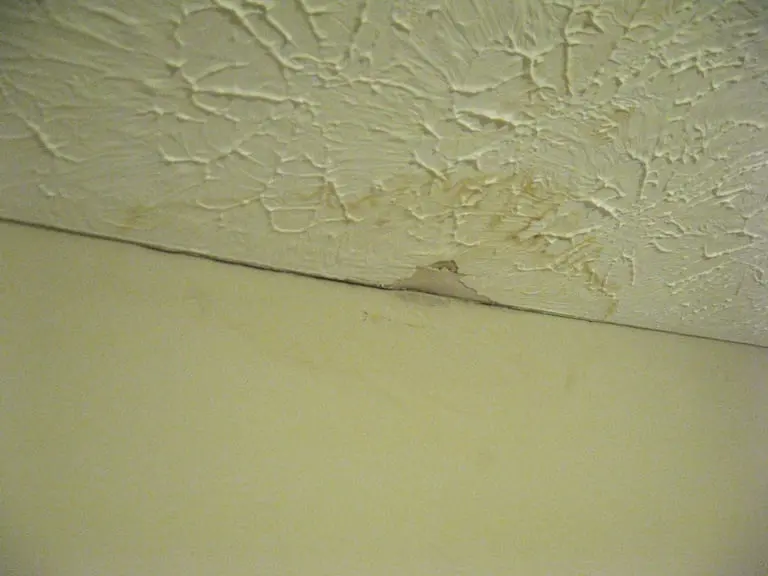
- Brown rings or stains on a ceiling, often growing after rain.
- A sagging or bubbling patch of ceiling drywall.
- Damp, flattened or discolored attic insulation.
- A musty smell in a room under the roof.
- Water at a light fixture or a ceiling vent during rain.
- Granules or bits of shingle collecting at the bottom of a downspout.
A roof and attic check after any hail storm
A short check costs little and shows whether hail did hidden damage. It is worth repeating after the next heavy rain, since that is when a small opening gives itself away.
- From the ground: look along the roof for missing or lifted shingles, bent flashing, dented vents and bare patches where granules are gone.
- In the attic: use a flashlight to look for daylight, damp or flattened insulation, dark stains on the roof deck and drips around pipes.
- Inside: check ceilings, the corners of rooms and the area around light fixtures after the next rain.
- Gutters: look for granules, dents and sagging sections.
- Record it: photograph anything found, with the date.
Florence's housing mix and where water goes
About 63 percent of Florence's housing was built before 1980, and about a quarter of it is more than 80 years old, according to the City's 2025 master plan community profile. The same profile counts 64 percent single unit homes, 26 percent homes in multi unit buildings and 10 percent mobile homes and other types.
Age alone does not say a roof has failed, but each housing type shows a leak differently. In a multi unit building, water through the roof can drop through the ceilings of several units, which is a ceiling leak water damage problem for each of them.
First steps and drying after a storm
Safety comes first, then the record, then the drying. Many policies set time limits for reporting storm damage, so an early report protects the claim.
First steps
- Stay off the roof: wet shingles and fresh hail damage make it dangerous.
- Photograph: the hail and debris, the roofline from the ground, the gutters and every stained ceiling.
- Catch and contain: set out buckets, move belongings away from stains and keep power off to wet fixtures.
- Cover the roof: a roofer can tarp damaged areas to limit further rain.
- Call the insurer: report the storm date and keep receipts for emergency repairs.
Drying
A water damage restoration team in Florence removes wet insulation, opens ceilings that hold water and dries the attic and ceiling cavities with air movers and dehumidifiers until readings match a dry reference.
Mold can begin to grow within 24 to 48 hours in wet materials, so drying begins early and the readings are logged each day.
- Removed: wet attic insulation, sagging or stained drywall and wet carpet under a leak.
- Dried in place: damp but sound drywall, framing and the roof deck.
- Checked: wall cavities below the leak, light fixtures and the attic around vent pipes.
Questions
Does hail damage always cause an immediate leak?
No. Hail can bruise shingles and crack flashing without a leak showing until the next heavy rain, so a roof check after any hail event is worth doing.
Who repairs the roof and who dries the ceiling?
A roofer repairs or replaces the roof. A restoration team removes wet insulation, dries the ceiling and the attic and documents the moisture readings. The two jobs run side by side.
Is hail damage covered by insurance?
Many homeowners policies cover hail damage, but deductibles and exclusions vary. Photograph the damage, note the storm date and ask the insurer how the claim works.
What should be done about hail and debris piled against a house?
Once it is safe, shovel debris and hail away from walls, doors and vents, and clear gutters and drains so the melt can leave.
Can a roof leak reach the unit below in a multi unit building?
Yes. Water that gets through a roof can drop through the ceilings of the units below, so each affected unit is checked for wet insulation and drywall.