Swamp Cooler Leaks and Ceiling Water Damage in Fountain
Float valves stick, hoses crack and drains clog with scale, and any of them can send cooler water through the ceiling around a vent. Fountain crews trace the path, remove wet insulation and dry the cavity, taking calls 24/7.
(888) 532-8620Call about a Fountain cooler leak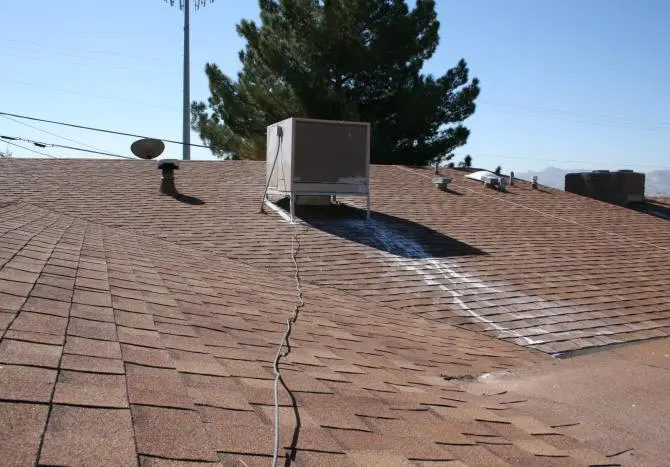
First steps for swamp cooler leak water damage in Fountain
- Turn the cooler off. Switch the unit off at its control and at the breaker, and shut the water supply valve so it stops adding water.
- Check the ceiling. Look for a ring stain, a soft spot or a drip at the vent, and stay clear of any section that sags.
- Catch and protect. Put a bucket under any drip, cover furniture and move electronics out of the room until the ceiling is checked.
- Photograph the stain. Photograph the ceiling, the unit and its pan or hose, and note when the cooler last ran so the cause is on record.
How the restoration team approaches swamp cooler leak water damage
An evaporative cooler works by keeping water moving, so one failed part can leak for weeks before a ceiling stain appears. The water follows the duct or vent opening, soaks insulation and finally shows on the drywall below.
What does swamp cooler leak water damage cost in Fountain, CO?
A stain at one ceiling vent costs $500 to $1,500. A ceiling and insulation soaked by a slow leak runs $1,500 to $4,500, and water that spread to several rooms below costs $4,500 and up.
Small stain near the vent
- Ceiling and attic inspected
- Spot dried through small openings
- Clean water
Soaked ceiling section
- Insulation pulled out
- Drywall opened up
- Cavity dried
Rooms below
- Several ceilings plus the walls below
- Floors and lower walls soaked
- Extended drying
Ranges are typical, not a quote: the category of water, square footage, material class and how fast drying started move the number most. Run the water damage cost calculator for a closer range.
How swamp cooler leak water damage is handled in Fountain
Moisture gets mapped before any equipment goes down, so the drying plan matches what is actually wet. Equipment stays until the readings say dry, not until it looks dry.
Find the source
A technician traces the wet ceiling to the cooler, the duct or a roof seam using a meter.
Stop the water
The cooler is shut off and isolated, and standing water in the pan, duct or attic is removed.
Open and dry
Wet insulation comes out, soft drywall is cut back, and air movers and a dehumidifier dry the cavity.
Confirm and close
Readings compare the ceiling with a dry room, and repairs begin only when the cavity matches.
Where hard water comes into it
Fountain's city water runs from 165 ppm to 350 ppm hardness depending on the season, which is 10 to 20 grains per gallon. Minerals left behind as water evaporates form mineral scale that clogs pump screens, float valves and drain fittings.
Not every Fountain property runs an evaporative cooler, so this applies only where one is installed. In those buildings, scale is a general cause of pump and drain trouble, and a white mineral crust near the unit is the usual warning.
How the leak travels into the ceiling
Water rarely drips straight down. It runs along the duct, the roof deck and the joists before it finds a seam in the ceiling.
- A float valve that sticks open keeps filling the pan until it overflows.
- A cracked supply hose or loose fitting sprays water inside the cabinet or onto the roof.
- A scaled drain or overflow pipe backs water up toward the ceiling opening.
- Saturated pads and a missed seasonal shutdown leave standing water that rots seals.
The drying crew handles what the cooler soaked, and a plumber, a roofer or a heating and cooling technician repairs the cooler itself. Both visits are scheduled so the leak is stopped before the ceiling is closed.
Drying the ceiling and attic
Technicians probe around the vent with a moisture meter, remove wet insulation and open soft drywall, then set air movers to push air across the cavity. A ceiling leak from any source follows the same drying method.
Crews take cooler leak calls 24/7, and the drying logs show the adjuster when the ceiling reached its target. Water that came from a roof seam instead follows the roof leak steps.
Swamp cooler leak water damage across Fountain and nearby communities
Crews serve any Fountain property with an evaporative cooler, whether a house in Creek Terrace or Heritage, an apartment building or a small shop, and the work stays inside the building.
The same service nearby: swamp cooler leak water damage in Pueblo, Florence, Cañon City.
Related to swamp cooler leak water damage in Fountain
Swamp Cooler Leak Water Damage questions in Fountain, CO
Still dealing with it?
Not sure where the water is coming from? Describe the stain and when the cooler last ran, and the crew explains what to check first.
(888) 532-8620 Call about a Fountain cooler leakWhy do swamp coolers leak into the ceiling?
A stuck float valve, a cracked hose or a clogged drain lets water escape the pan. It then runs along the duct and roof deck until it finds a seam in the ceiling below.
Should a cooler keep running after a leak?
No. A running unit keeps adding water to the wet cavity, so the cooler stays off until the cause is repaired and the ceiling reads dry.
Can a ceiling stain from a leak dry in place?
If the leak was small and clean, the area can often be dried through small openings. Soaked insulation holds water too long to dry in place, so it is removed.
Is the water from a swamp cooler clean?
It starts as clean supply water, but it picks up dust, pad residue and mineral scale on the way through the unit. It can turn gray once it has soaked insulation and sat for days.
How does seasonal startup prevent leaks?
A spring check of the float, hoses, pump screen and drain, plus fresh pads, catches scale before it fails. A fall shutdown that drains the pan leaves no standing water.
When does mold appear after a cooler leak?
Damp insulation and drywall can start growing mold in a 24 to 48 hour window, so removal and drying move first.
A slow cooler leak in Fountain soaks the ceiling for weeks
Meters, air movers and dehumidifiers are staged for ceilings, attics and walls soaked by cooler water, and crews take calls 24/7.
(888) 532-8620Call for Fountain ceiling drying