Basement Flooding Cleanup in Cañon City
When storm runoff or a failure sends water into a lower level, the concrete, framing and finishes all need attention. Cañon City crews pump it out, remove what cannot dry and dry the rest to readings.
(888) 532-8620Call about Cañon City basement flooding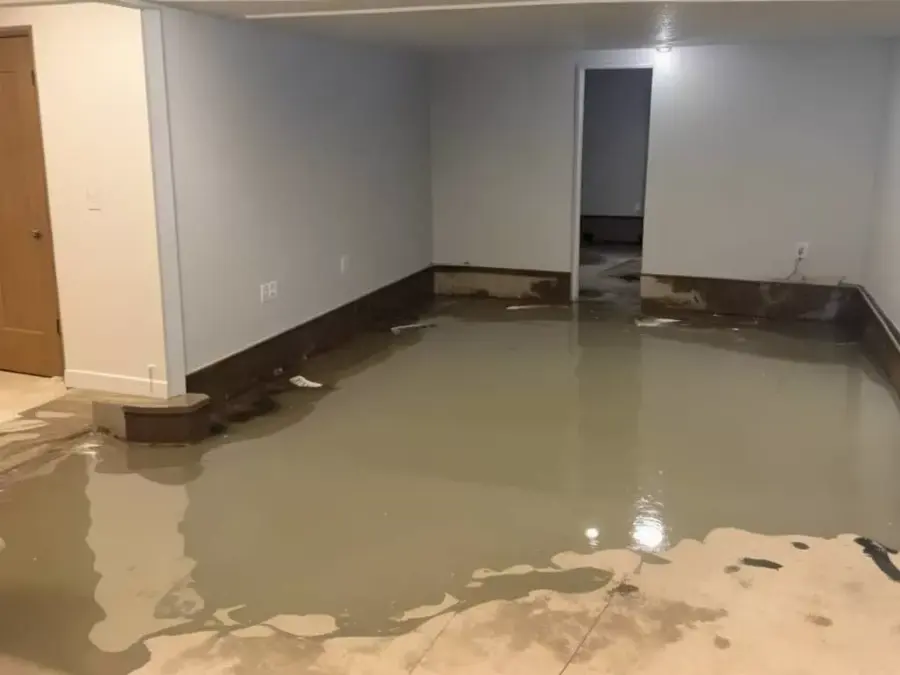
First steps for basement flooding cleanup in Cañon City
- Stay out of the water. A flooded lower level can hide live outlets and cords, so the breaker is switched off and nobody wades in until power is confirmed off.
- Find where it entered. Check whether the water came from a pipe, a drain, a window well or runoff, because the source decides the water type.
- Save what is dry. Carry boxes, electronics and documents upstairs or onto high shelves, and leave heavy furniture where it stands.
- Photograph the damage. Take dated photos of the water depth, the marks on walls and every damaged item before pumping begins.
How the restoration team approaches basement flooding cleanup
A flooded lower level is more than a puddle: water soaks into concrete, framing, carpet and stored belongings, and every day it sits makes the cleanup bigger. The work runs from pumping through cleaning to full structural drying, with readings guiding each stage.
What does basement flooding cleanup cost in Cañon City, CO?
Basement flooding cleanup in Cañon City typically costs $1,500 to $4,000 for an unfinished space with shallow water, $4,000 to $10,000 for a finished one, and $10,000 and up for deep or contaminated water.
Bare floor, shallow water
- Pumps and extraction
- Floor cleaned, then dried
- Clean or gray source
Finished basement
- Flood cuts, insulation removed
- Wet carpet and pad out
- Walls and floor dried
Deep or contaminated water
- Storm runoff or sewage
- Containment, then cleaning
- Category 3 water
Ranges are typical, not a quote: the category of water, square footage, material class and how fast drying started move the number most. Run the water damage cost calculator for a closer range.
How basement flooding cleanup is handled in Cañon City
Moisture gets mapped before any equipment goes down, so the drying plan matches what is actually wet. Equipment stays until the readings say dry, not until it looks dry.
Pump down
Submersible pumps lower the water in stages, then extractors lift what remains from the floor.
Remove and clean
Wet carpet, pad, insulation and lower drywall are cut out, and exposed surfaces are cleaned and treated.
Dry the structure
Dehumidifiers and air movers run on the floor, walls and framing, with placement adjusted at each visit.
Verify and release
Final readings confirm every material is dry, and the equipment leaves only after those numbers are logged.
Flooding has a history in north Cañon City
Flooding reached north Cañon City along Central Avenue on May 17, 1995, hit the same area again on August 8, 1996, and returned along Central and Orchard Avenues on August 6, 1997.
Earlier storms in 1950, 1965, 1966 and 1967 flooded Central Avenue, downtown, South Cañon City and the Lincoln Park area, so low spots across town have taken water before.
What the cleanup covers
- Pumps and extractors remove standing water and slurry from the floor
- Wet carpet, pad and lower drywall are cut out and bagged for removal
- Floors and walls are cleaned and treated before drying equipment goes in
- Dehumidifiers and air movers run until concrete, framing and trim read dry
Where storm runoff or sewage is involved, the water is treated as contaminated, and porous materials come out rather than dry in place.
Finished and unfinished spaces
An unfinished space with bare concrete often needs pumping, cleaning and drying. A finished space adds flood cuts in drywall, removal of insulation and carpet, and more equipment time. Storm and flash flood cleanup and water extraction cover the pieces that overlap.
Why low areas take water
The city says localized flooding often lands outside mapped floodplains, so a low area can take water from a street that drains slowly. It lists eight storm drainage basins, among them Orchard Avenue, North Ninth Street, Northeast Cañon and Hogbacks.
Drying targets follow IICRC S500 practice, and the plan comes from moisture readings, not guesses. Calls run 24/7, since a storm often hits at night.
Basement flooding cleanup across Cañon City and nearby communities
Lower level flood work covers Cañon City, with calls from north of downtown along Central Avenue and Orchard Avenue, South Cañon, the Riverfront and Dawson Ranch, across ZIP codes 81212 and 81215.
The same service nearby: basement flooding cleanup in Pueblo, Florence, Fountain.
Related to basement flooding cleanup in Cañon City
Basement Flooding Cleanup questions in Cañon City, CO
Still dealing with it?
Unsure whether a damp lower level needs pumping or only drying? Describe the water depth and what is down there, and a technician advises the next step.
(888) 532-8620 Call about Cañon City basement floodingDoes Cañon City flood only near the Arkansas River?
No. Localized flooding often falls outside mapped floodplains, according to the city, and most flood records come from short, intense storms rather than river overflow. Low areas on any street can take water.
How is water pumped out of a flooded lower level?
Submersible pumps lower the water in stages and extractors lift the rest. Clean water lets more materials dry in place, while contaminated water sends porous materials out.
What about stored belongings?
Hard items such as plastic bins and tools can usually be cleaned and dried. Cardboard, upholstered furniture and paper are often lost once soaked, so each item is photographed and listed first.
Does a finished lower level cost more to dry?
Usually, because flood cuts, insulation removal and carpet pad add labor and equipment time. An unfinished space with bare concrete is generally the cheapest to clean and dry.
Which Cañon City areas have flooded before?
Past flooding reached Central Avenue, Orchard Avenue, downtown, South Cañon City and the Lincoln Park area. History does not predict the next storm, but it shows where low areas exist.
Can mold start in a flooded lower level?
Yes, mold can begin to grow in 24 to 48 hours on wet, porous materials, which is why extraction and drying start right away.
How long until a lower level is dry?
Several days is typical for concrete and framing, longer for dense or heavily soaked materials. For a rough estimate the drying time estimator helps, and readings decide the real finish.
A flooded lower level gets worse each day
Pumping, cleaning and structural drying return a Cañon City lower level to a dry, measured finish.
(888) 532-8620Call about a flooded lower level